Planning a Kitchen or Bath Renovation
Kitchen and bath renovation decisions feel urgent. A leaking pipe, outdated fixtures, or a tenant complaint can make a project feel necessary overnight. But the best outcomes come from taking time to plan thoughtfully, understanding what’s actually necessary versus what’s an opportunity for improvement, and knowing when professional guidance is non-negotiable.
Assessing the Real Problem
Before you call contractors or start shopping for fixtures, step back and diagnose what actually needs to happen. Is this project driven by an immediate problem—a broken fixture, a leak, code non-compliance—or by wear and a desire to refresh? The answer changes your approach.
An emergency repair is straightforward: find a qualified contractor, fix the problem, restore functionality. A refresh is different. You have time to plan, compare options, and think about whether small upgrades might improve long-term outcomes—better water efficiency, improved ventilation, updated flooring that handles maintenance better.
The distinction matters because emergency projects carry premium costs. Contractors mobilized quickly charge more. Materials ordered on short notice cost more. Decisions made under pressure tend toward the expensive rather than the optimal. When you have a choice, give yourself planning runway.
When to Call a Professional
Some work is suitable for a building manager or handyperson. But kitchen and bath renovations almost always require licensed professionals, even when they seem simple. Here’s why you need experts:
Plumbing: A fixture replacement looks straightforward until you discover your shutoff valves are seized, or you need to coordinate drain work because the existing run doesn’t match your new layout. Water damage from a poor connection can destroy walls, flooring, and create mold liability. Licensed plumbers carry insurance and understand code requirements.
Electrical: Adding outlets, upgrading lighting, installing exhaust fans, or running new circuits involves code compliance and safety standards that vary by region. Improper installation creates fire risk. Electrical inspectors exist specifically because these mistakes are dangerous and invisible. Hire licensed electricians.
Structural or hidden conditions: Opening a wall to route pipes or upgrade ventilation can reveal problems—insufficient joists, settling, rot, asbestos, lead paint. A renovation contractor with framing and building science knowledge manages these discoveries safely. Property managers without construction experience can get caught off-guard.
Code and permit compliance: Kitchen and bath work in residential buildings has extensive code requirements. Bathrooms need minimum ventilation. Kitchens need GFCI protection. Older homes built before 1978 may trigger the EPA’s Lead Renovation, Repair and Painting (RRP) Program requirements if renovation disturbs painted surfaces. Skipping permits and inspections creates liability, and future buyers or inspectors will discover the problems.
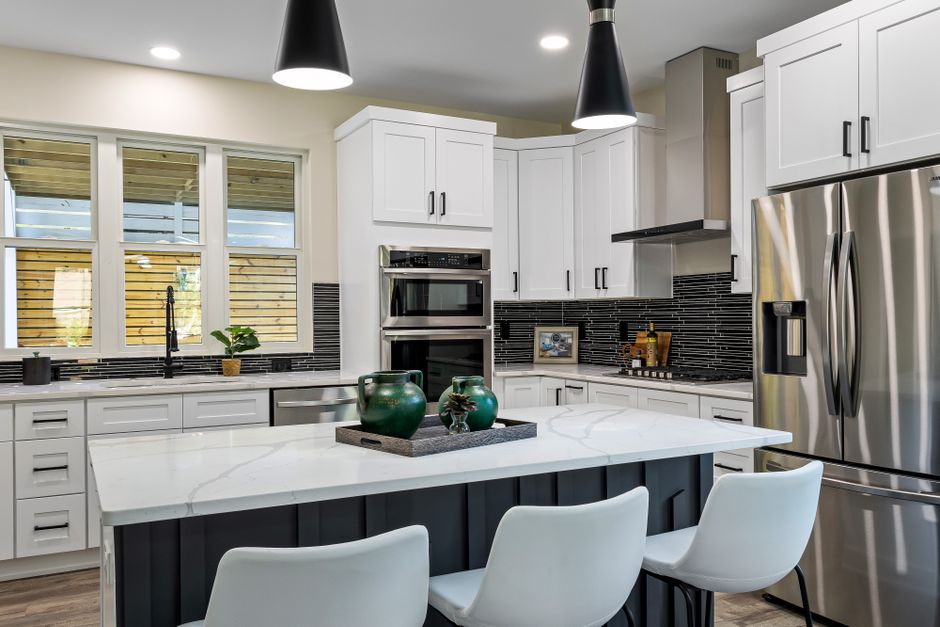
What a Finished Project Should Look Like
A completed renovation isn’t just new fixtures and a fresh look. It’s a properly functioning, code-compliant system that will serve reliably for years. Here are the outcomes you should expect:
Plumbing & Electrical
- All connections are tight and secure—no visible leaks under sinks or around fixtures
- Hot and cold water flow properly from each outlet
- Drains clear smoothly without slow draining or gurgling
- Electrical outlets are properly grounded and GFCI-protected where required
- Lighting works reliably and illuminates task areas adequately
Finishes & Durability
- Waterproofing is complete—no water intrusion behind tiles, shower walls, or into substrate
- Caulking is clean and watertight at transitions and corners
- Flooring is level, secure, and free of gaps or loose tiles
- All fixtures are properly sealed and finished
- Ventilation system removes moisture effectively
The contractor should provide you with final inspection reports showing that electrical work passed inspection, plumbing was tested and passed, and any required permits were closed out. This documentation is valuable if problems emerge later and protects you from liability.
The Mistake That Costs Dearly
“I’ve learned the hard way that skipping permits and inspections to save time and money creates problems that cost five times as much to fix later. A property inspector finds unpermitted work, a buyer walks away or demands a discount, or water damage reveals that work was done wrong.”
— Property Manager with 20 years’ experience managing renovations
This is the single costliest mistake we see repeatedly. The appeal is obvious: permits slow timelines, add cost, and involve inspectors checking your work. But permits exist because violations create liability, insurance complications, and resale problems.
If your property has units built before 1978, the EPA’s Renovation, Repair and Painting Program adds specific requirements when renovation disturbs painted surfaces. Lead dust from renovation is a serious health hazard, especially for children. Contractors must be EPA-certified, use containment and cleanup procedures, and provide disclosure to tenants. Ignoring this creates environmental liability and tenant health claims.
Budget permits and inspections as part of project cost, not as a line item to eliminate. They protect you, your tenants, and your property value.
Moving Forward with Confidence
Kitchen and bath renovations are manageable when you approach them systematically. Diagnose the real problem, understand what professional work is required, evaluate contractors carefully, and insist on permits and inspections. The planning investment upfront saves disruption, cost overruns, and liability exposure.