What to Expect from a Kitchen or Bath Renovation
Planning a kitchen or bathroom renovation can feel overwhelming. This guide walks you through what a professional renovation process typically involves, so you know what to prepare for.
Orientation — What This Process Looks Like
A professional kitchen or bath renovation follows a structured process that typically spans several weeks or months, depending on the scope of work. Understanding what happens at each stage helps you prepare mentally and logistically for the project ahead.
Most quality contractors begin with a comprehensive consultation to understand your vision, budget, and timeline. They’ll assess your space, identify any structural or plumbing considerations, and discuss material options. This discovery phase is when you should ask questions and ensure the contractor understands your priorities.
Once you’ve chosen a contractor and finalized the design, the actual work begins. Kitchens and bathrooms are intensive projects because they involve multiple trades — plumbing, electrical, carpentry, and finishing work. The contractor will coordinate these specialists to move smoothly from demolition through final installation.
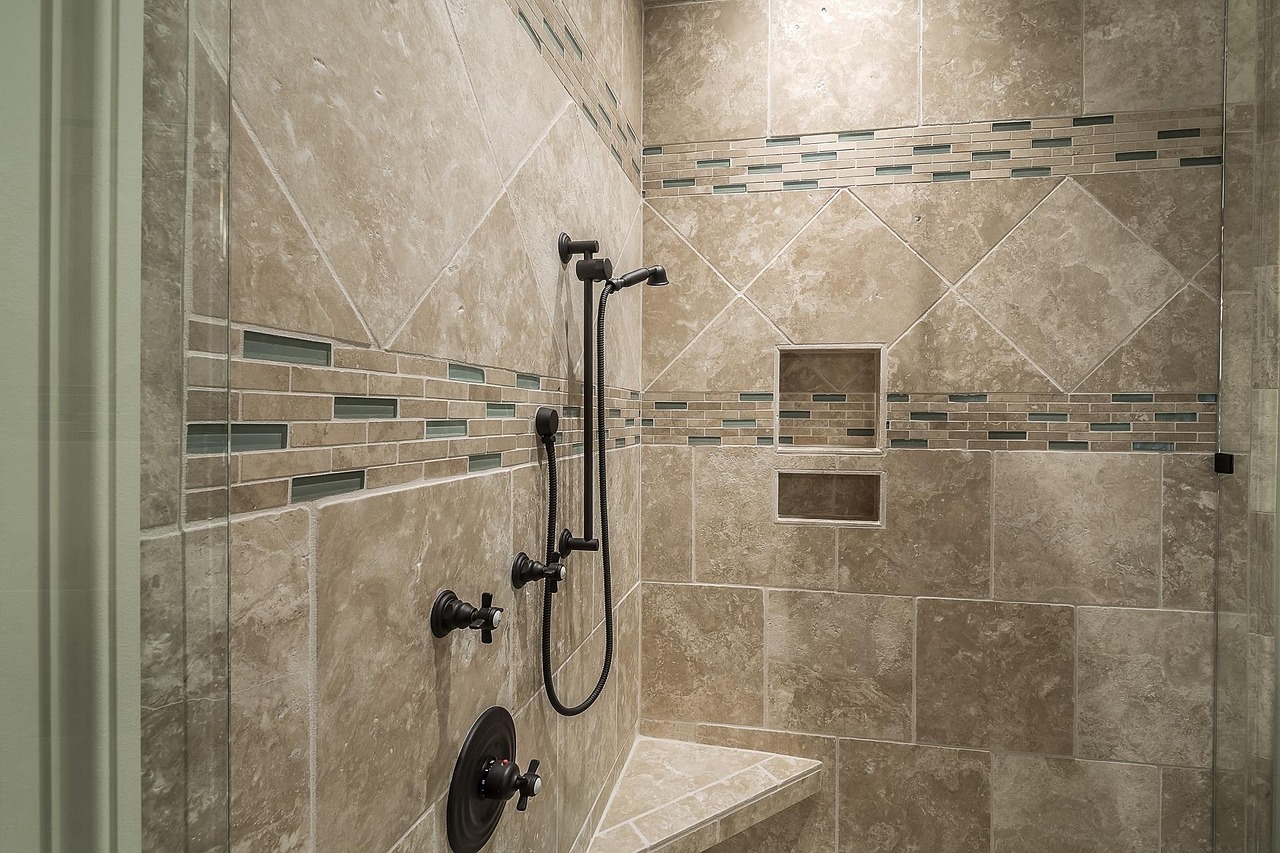
The timeline matters because your kitchen or bathroom will be unavailable during work. A typical moderate-scope kitchen renovation might take 6–12 weeks, while a bathroom can be completed in 4–8 weeks. More extensive projects that involve structural changes or layout modifications take longer.
Good contractors communicate regularly and maintain realistic schedules. Weather, material delays, and unexpected structural issues can affect timelines, but a professional will keep you informed rather than surprising you with delays.
Common Sticking Points & How to Navigate Them
Most renovation projects encounter predictable challenges. Here’s what property managers and homeowners typically face, and how to address them proactively.
What happens if the contractor discovers problems during demolition?
During demolition, contractors sometimes discover hidden issues — water damage behind walls, outdated electrical wiring, or structural problems. This happens more often in older homes. A good contractor will document these issues, explain them to you clearly, and provide cost estimates for addressing them. This is why it’s important to budget flexibility into renovation costs — about 10-15% contingency is standard for older homes. Your contractor should communicate immediately rather than proceeding without your approval on additional work.
How much disruption will there be to daily life during the renovation?
Kitchen and bathroom renovations create noise, dust, and disruption. Workers typically arrive between 8 AM and 5 PM on weekdays, though this varies. Expect noise from power tools, some dust even with containment, and limited access to the space. In tenant situations, properties can often be occupied during the renovation, but tenants should expect inconvenience. A clear work schedule helps people plan accordingly. Some contractors offer early morning or weekend hours for occupied properties — discuss this when selecting your contractor.
What if I want to change something mid-project?
Changes mid-project typically increase costs and extend timelines. Once work has begun, materials may be ordered, subcontractors scheduled, and work sequences planned. A change that seems small (like switching cabinet colors or upgrading countertop material) often requires reordering materials and reorganizing the work schedule. Good contractors will provide written change orders that detail the cost and timeline impact. Always get these in writing before work proceeds. Minimize changes by making decisions carefully during the planning phase.
How is payment typically structured during a renovation?
Most contractors use a payment schedule tied to project milestones: an initial deposit to order materials, progress payments as work is completed, and a final payment upon completion. Never pay the full amount upfront. A typical schedule might be 30% deposit, 40% after framing/rough-in, and 30% upon final completion. This protects both you and the contractor. Get the payment schedule in writing in your contract, and hold final payment until all punch-list items are complete and you’ve inspected the work thoroughly.
Reference: Typical Renovation Timeline & Phases
Here’s what a typical kitchen or bath renovation looks like, phase by phase, with realistic timelines for each.
| Phase | Duration | What Happens |
|---|---|---|
| Planning & Design | 2–4 weeks | Consultation, measurements, design selection, material choices, contractor selection, and contract finalization. |
| Material Ordering | 1–3 weeks | Contractor orders cabinets, fixtures, and specialty materials. Standard items may arrive in days; custom items can take weeks. |
| Demolition & Prep | 1–2 weeks | Removal of old fixtures, cabinetry, and flooring. Contractor assesses structure and handles any unexpected issues found during demolition. |
| Rough-In Work | 2–3 weeks | Plumbing, electrical, and HVAC work. This phase is critical and must be inspected before walls close up. Includes structural modifications if needed. |
| Installation Phase | 2–4 weeks | Cabinet installation, countertop placement, flooring installation, backsplash, and wall/ceiling finish work. Fixtures and hardware are installed. |
| Final Details & Inspection | 1–2 weeks | Painting, final hardware installation, caulking, grouting, and cleanup. Final inspections are conducted. Any punch-list items are completed. |
Note: Timelines vary based on scope (basic vs. extensive), material availability, and whether structural issues are discovered. Most moderate renovations fall in the 8–14 week range.
Next Step: Getting Started
Now that you understand what to expect, the next step is connecting with a contractor who can guide you through each phase. The best contractors take time to explain what’s happening at each stage, address your concerns, and help you make informed decisions about your project.
When you’re ready to move forward, gather information about your current space (measurements, photos, any existing issues), think about your budget and timeline, and reach out to contractors to schedule initial consultations. Come prepared with questions about their process, timeline estimates, warranty terms, and references. A good contractor will be patient with your questions and willing to explain their approach in detail.
Remember that the lowest price isn’t always the best value. Look for contractors who communicate clearly, provide detailed written proposals, carry proper insurance and licensing, and have positive references from past clients. Quality workmanship and professional communication matter more than saving a few hundred dollars on a project of this size.